
 AREA DOWNLOAD


Train Station
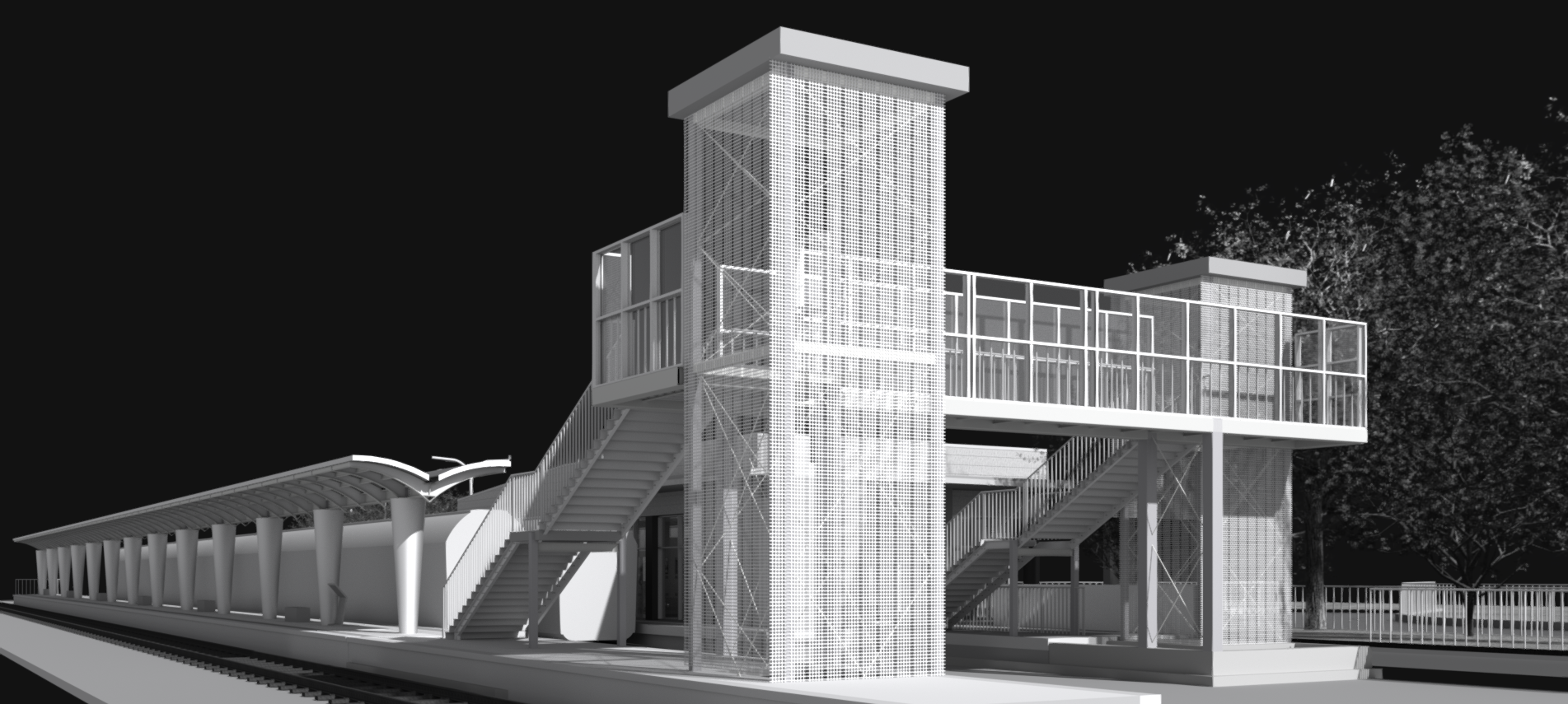
Designing a public transit hub requires balancing architectural poetry with logistical precision. It isn’t merely about creating a point of departure or arrival; it is about organizing the complex choreography of human movement, public space, and sustainable technology into a single, cohesive landmark.
The Vision
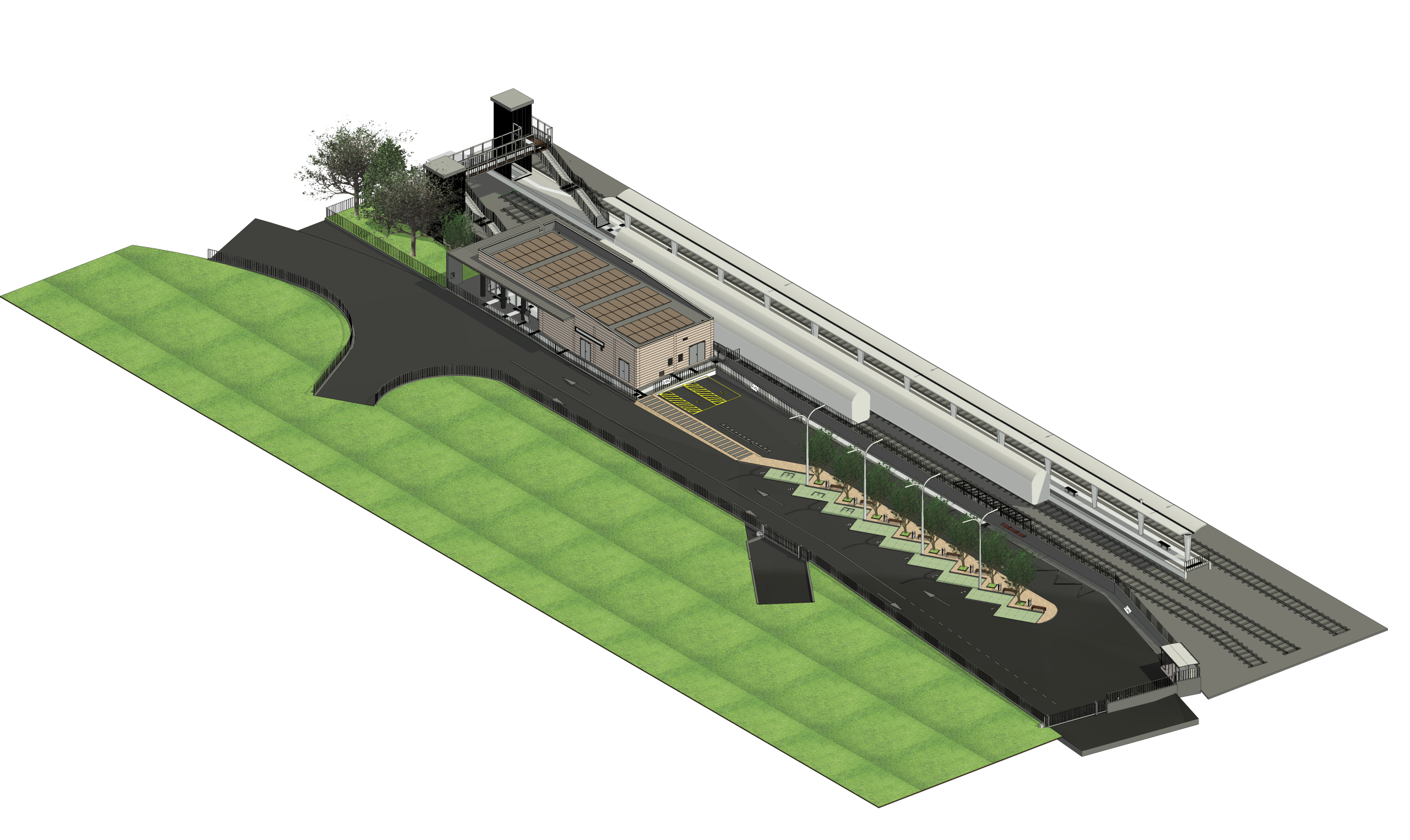
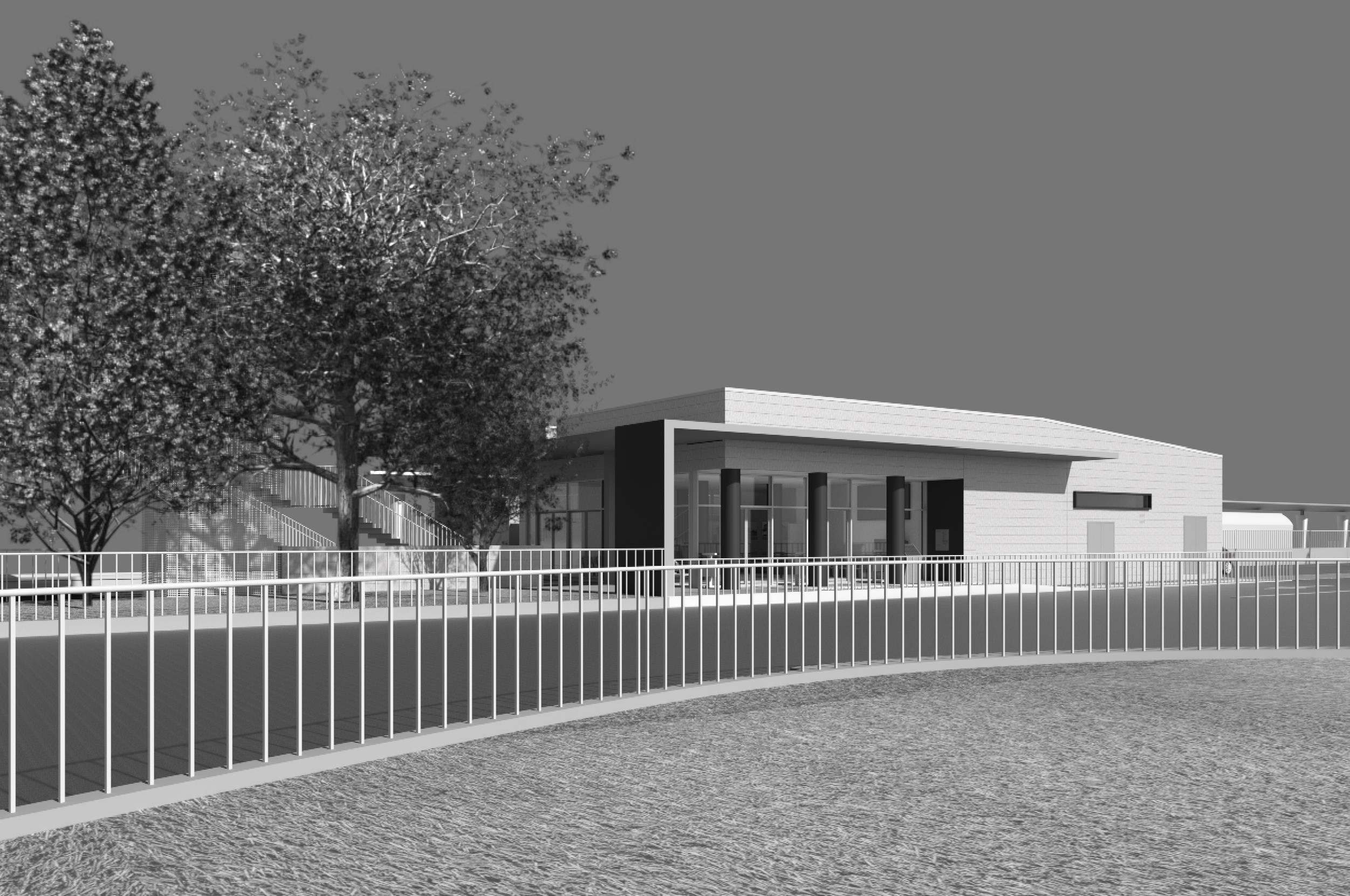
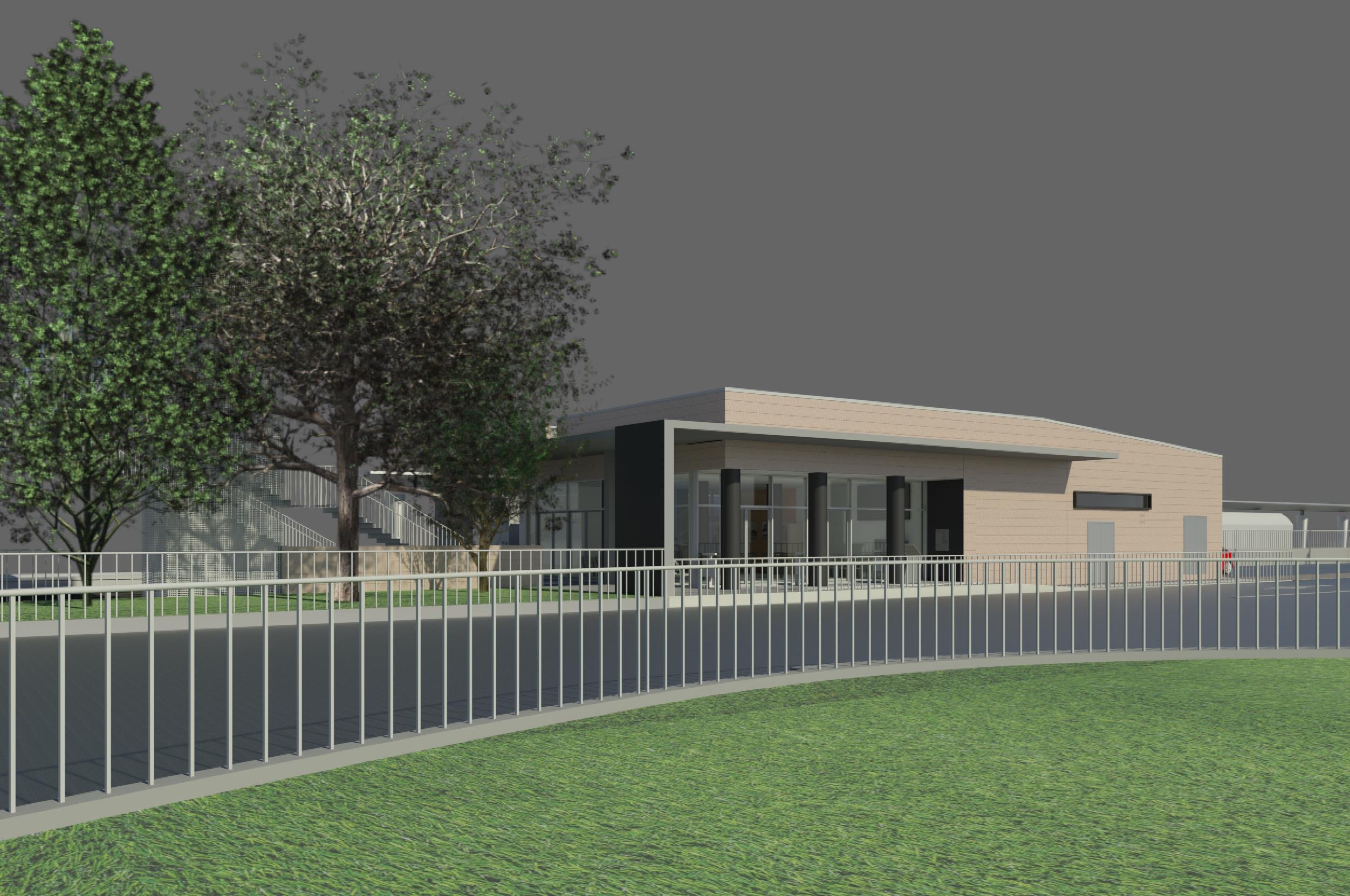
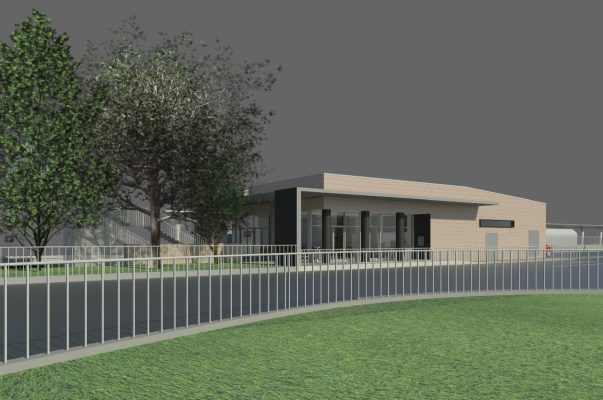
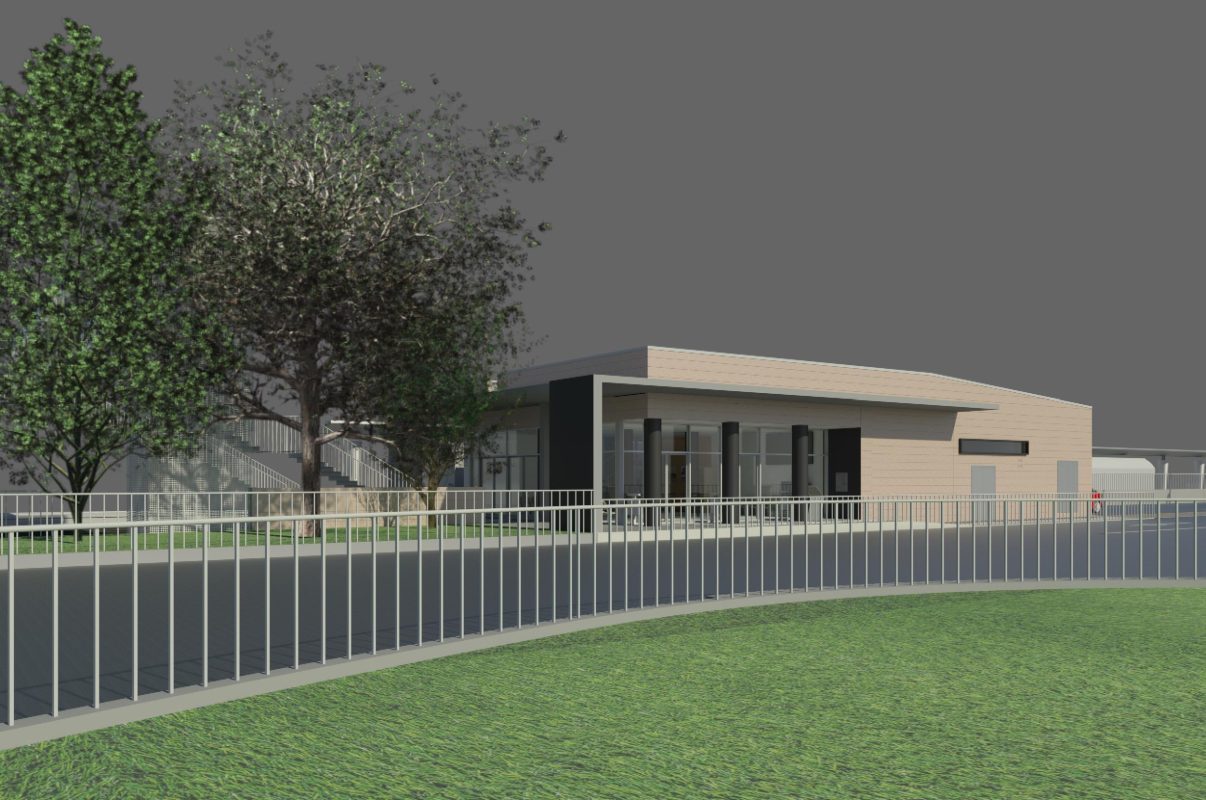
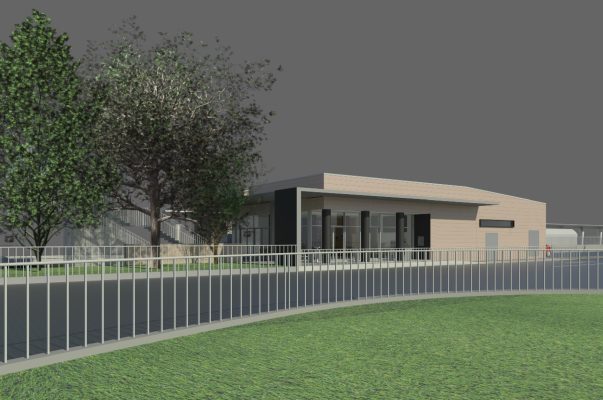
The overarching vision for this station project was to strip away the industrial harshness typically associated with railway infrastructure and introduce a low-profile, human-scale pavilion. The building is designed as a continuous horizontal volume that quietly embeds itself into the surrounding landscape. By utilizing a prominent cantilevered roof overhang supported by robust, minimalist columns, the architecture establishes a deep interstitial zone—a sheltered public veranda that transitions seamlessly from the open green surroundings into the glass-walled interior terminal. Transparency is key; passengers outside maintain an uninterrupted visual connection with the functional spaces within.
The Inspiration
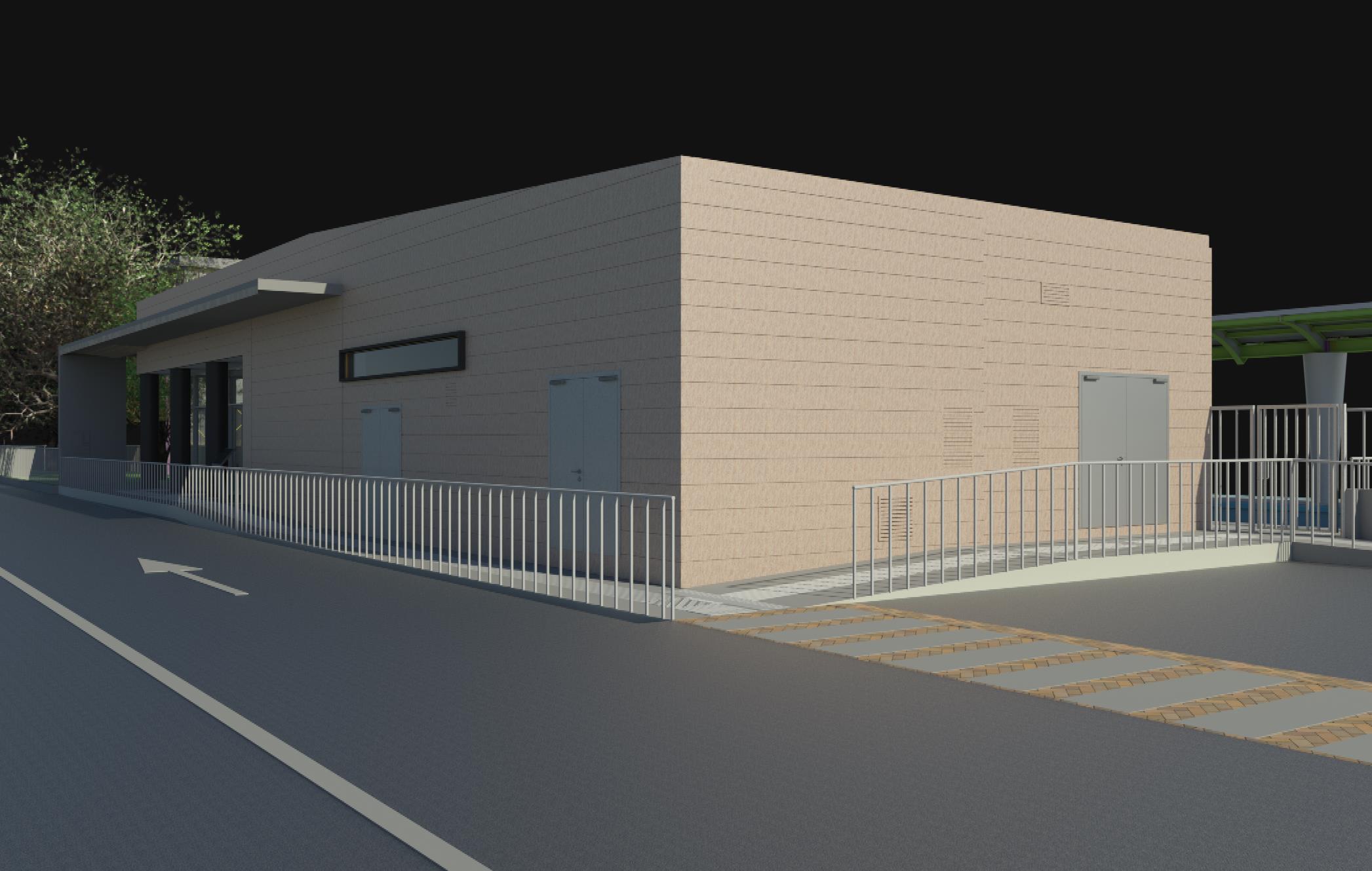
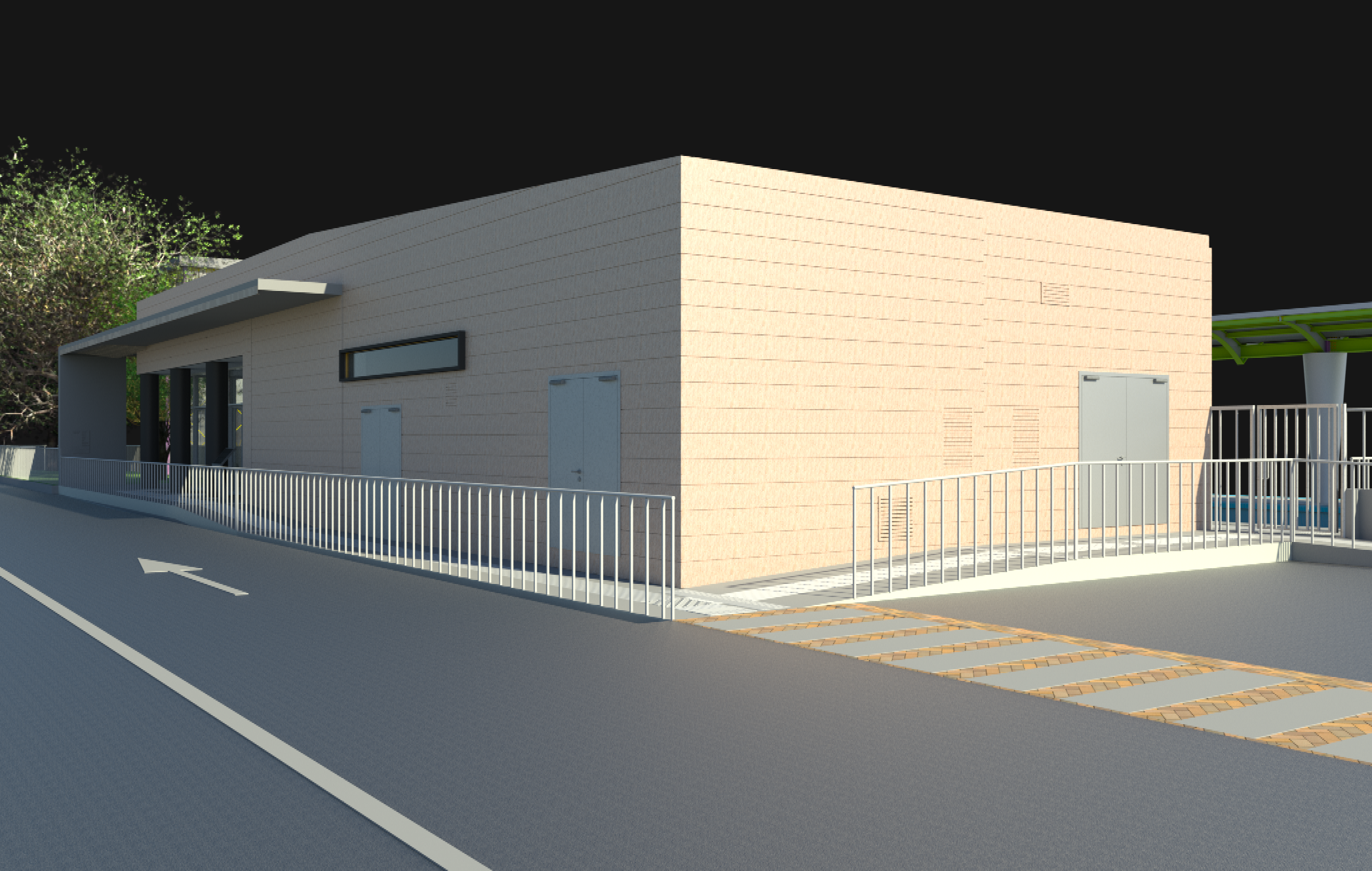
The design draws heavy inspiration from rationalist architecture and mid-century modern transit pavilions, focusing on structural honesty and clean geometric forms. The goal was to find a perfect balance between heavy massing and structural lightness. This is achieved by wrapping the main body of the station in a textured, sandy-toned masonry finish, which grounds the structure, while contrasting it with sleek, dark framing elements that define the entry zones. The integration of surrounding mature trees and a simple perimeter railing reinforces a park-like atmosphere, ensuring the facility feels like an extension of the public realm rather than an isolated utility block.
Context & Regional Identity
This architectural approach is deeply rooted in contemporary Italian civic infrastructure design. Italy has pioneered a movement where everyday public works—from highway rest stops to regional rail links—are treated with the same aesthetic rigor and material sensitivity as cultural institutions. By merging strict functionality with an elegant, understated minimalism, this design reflects the modern European philosophy that public transportation should provide commuters with a sense of dignity, order, and architectural beauty.