

Category Archives: Interior Design

The Unseen Architecture of Light

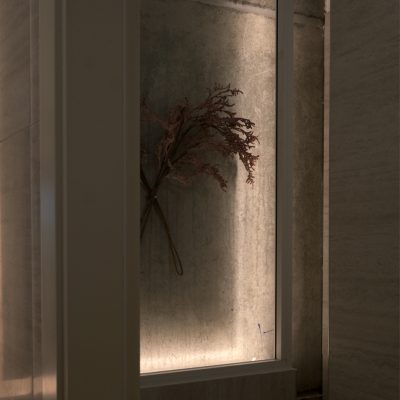
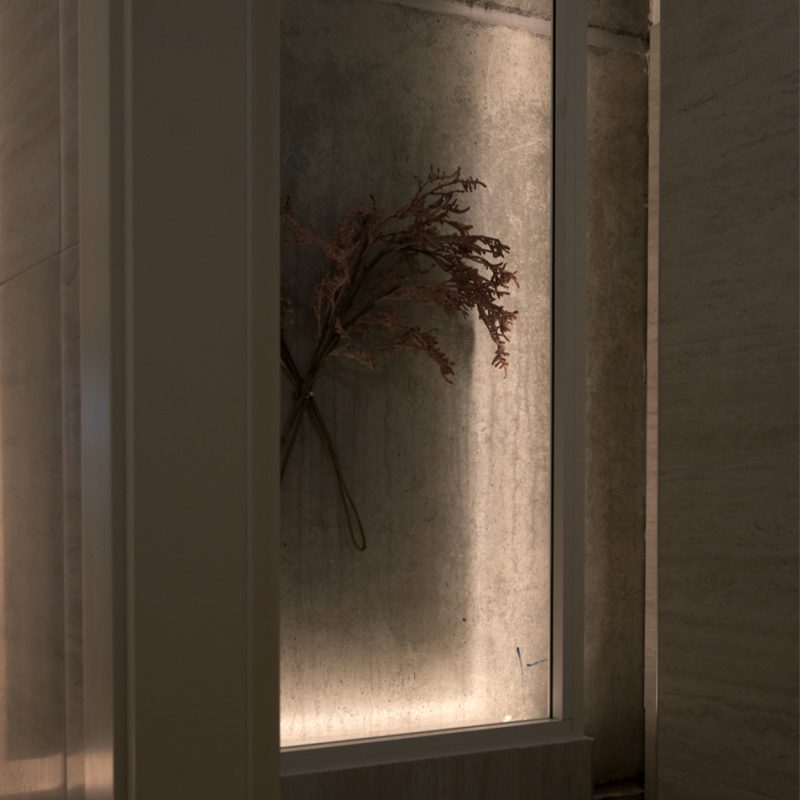
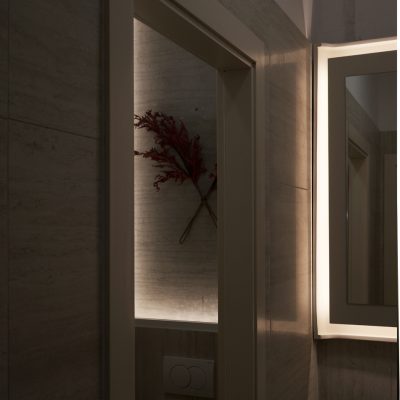
This project, inspired by the geometry and atmosphere of Untitled-33.jpg, is a study in quiet precision. As an architect, my vision wasn’t just to design a bathroom, but to create an experience of intimate, structured tranquility.

The Vision was to transform a utilitarian space into a personal sanctuary by focusing purely on spatial intersections. It’s about how raw material meets precise light. For me, the architecture is not the physical object; it is the boundary between the stone wall and the soft glow. The view through the door frame creates a layered, cinematic depth.

The Inspiration for this composition is the Japanese concept of “Wabi-Sabi”—specifically, the way a sudden architectural light can dramaticise the quiet texture of the concrete. It’s about finding perfection in simple geometry and raw materials. That single piece of natural red coral, glimpsed through the frame, was the muse. It is an intentional, singular element of color against an monochromatic world, echoing the specific detail seen in the original Untitled-33.jpg reference.

Which Country claims this design? 💡 This language of refined, contemplative minimalism, where light defines space and materials are tactile yet understated, is a cornerstone of contemporary Japanese Interior Architecture. It’s a style that prioritizes serenity and spatial awareness.

I always strive for that perfect, quiet tension in design. This image is a reflection of that pursuit.
The Art of Quiet Luxury: Where Minimalism Meets Soft Warmth

As an architect and interior designer, creating a bedroom is always a deeply personal task. It is not just about arranging furniture; it is about sculpting an atmosphere that slows your heart rate the moment you step through the door.

From my perspective, the Vision for this space was rooted in the concept of sanctuary. I wanted to move away from the cold, sterile minimalism that dominated the past decade and instead design a space defined by “warm minimalism”—where every line is clean, but every texture feels soft, safe, and deeply comforting.

What was the Inspiration? 💡

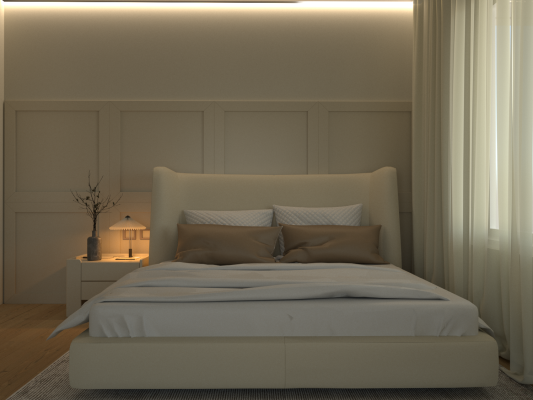
The core inspiration comes from two powerful design philosophies: the Japanese concept of wabi-sabi (finding beauty in simplicity and natural textures) and the sleek, functional elegance of mid-century European design. You can see this in the custom wall molding behind the bed—it adds architectural depth and structure without cluttering the visual field. The hidden, indirect LED cove lighting at the top mimics the soft, natural glow of a fading sunset, while the earthy, clay-toned pillows ground the otherwise airy, cream palette.

If you are wondering which Country heavily influences this exact style of interior design—look straight to Denmark and the broader Scandinavian region, blended with modern Japanese sensibilities (often called Japandi). This particular blend of classic wall paneling, soft neutral textiles, and low-profile, wingback beds is the epitome of modern Copenhagen luxury—understated, highly refined, and effortlessly cozy.

A bedroom shouldn’t demand your attention; it should welcome your rest. Every shadow, texture, and tone here was curated to do exactly that.

Warm Minimalism & The Details That Matter:

When it comes to home design, the line between a basic space and an environment with true character lies in smart material choices and strategic lighting. Today, interior design trends are leaning heavily toward “warm minimalism” — a style that strips away the clutter while retaining comfort through organic textures, wood accents, and soft tones.

In this article, we’ll explore two key design elements that can instantly give your home the refined look of a professional architectural project.

1. The Nightstand Setup: Blending Wood Textures with Accent Lighting

The bedroom is your personal sanctuary for rest. To create a relaxing atmosphere, every piece of furniture must be as functional as it is aesthetically pleasing.

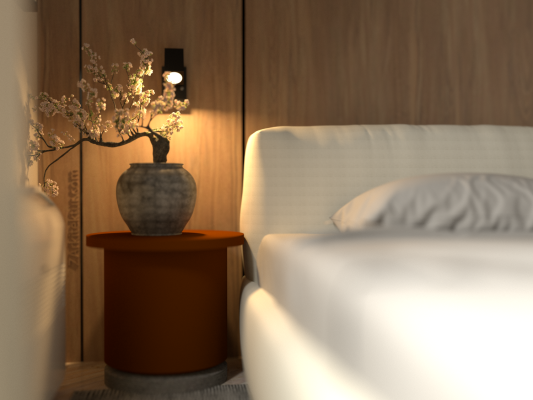
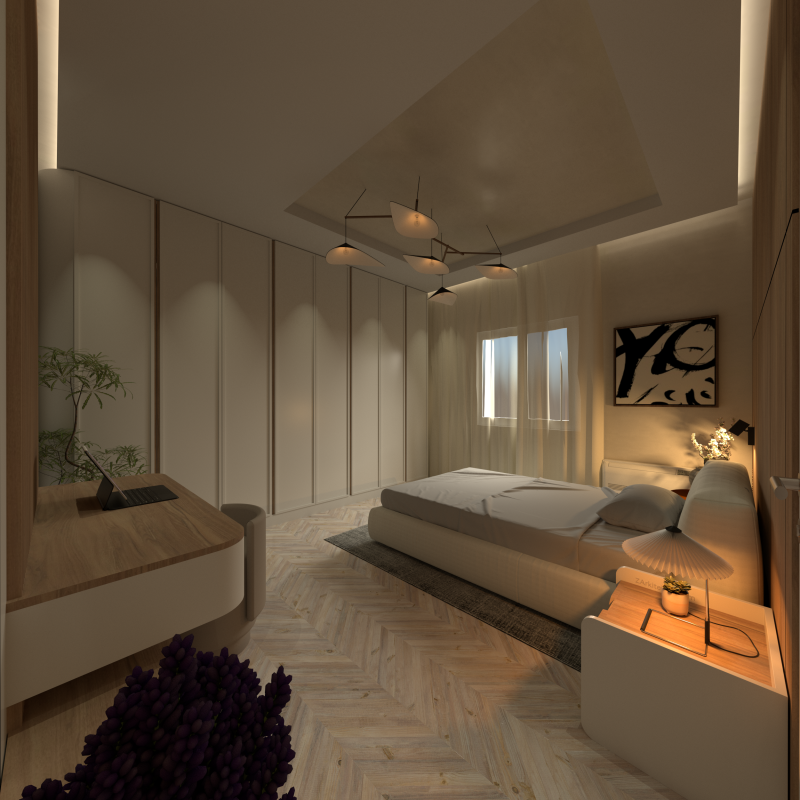
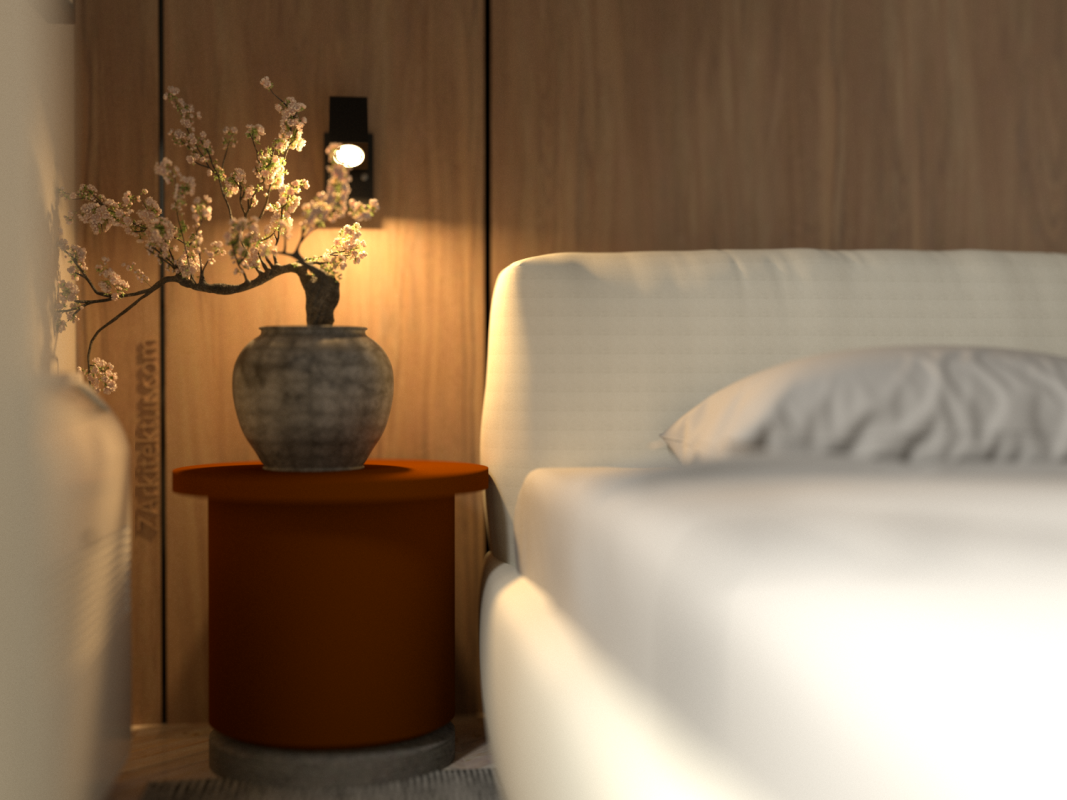
  • Clean Geometry: A nightstand featuring soft, curved white outer panels combined with natural wood drawers creates a gentle visual contrast. Extending the wood paneling onto the wall adds immense depth and architectural warmth.

  • Ambient Pleated Lighting: Lighting shouldn’t just illuminate; it should set the mood. A tabletop lamp with a pleated shade diffuses a warm, soft glow, making the bedroom feel incredibly cozy and intimate during the evening hours.

2. The Art of Display: Glass Translucency & Sculptural Contrasts

Another crucial element in modern interior projects is how we curate display spaces in living or dining areas. Displaying accessories with intention showcases a true eye for detail.

  • Integrated LED Shelving: Utilizing concealed LED strips under floating shelves does more than just light up glassware; it creates a beautiful play of light and shadow, transforming a simple storage unit into an art gallery feature.

  • Material Contrast: Placing delicate, transparent crystal glasses and decanters next to bold, black sculptural elements (such as geometric vases or statement art pieces) creates a sharp, dramatic contrast that instantly elevates the room’s sophistication.

The Minimalist Bedroom Sanctuary

Master Bedroom Design: Achieving Minimalist Luxury Through Textural Harmony

Description: From an architectural perspective, this modern master bedroom design relies heavily on monochromatic harmony and subtle structural geometry. The focal point is the wainscoting accent wall, where clean, geometric paneling introduces a sophisticated rhythmic structure without overwhelming the space. By opting for a floor-to-ceiling cream and beige palette, the boundaries of the room soften, enhancing the perception of spatial flow and tranquility.

Lighting plays a crucial role in defining the atmosphere. The integration of cove ceiling lighting washes the back wall in a soft, indirect glow, eliminating harsh shadows and emphasizing the room’s height. This ambient illumination is beautifully balanced by a sculptural, pleated bedside table lamp that provides task lighting while acting as a minimalist design accent.

Materiality is carefully curated to introduce warmth. The plush, upholstered headboard contrasts gently with the clean lines of the wooden flooring, while sheer, floor-to-ceiling drapery maximizes natural daylighting during the day and adds a soft, fluid texture to the architectural framework at night.